
As you look ahead to the future of construction labor universal testing machine utm, the integration of automation and robotics is reshaping the industry landscape. The question on everyone’s mind is how these technological advancements will impact the workforce and the traditional roles within construction projects. Will robots completely replace human workers, or is there a way for both to coexist harmoniously? The potential implications of this shift in labor dynamics are vast and multifaceted, sparking debates and discussions on the future direction of the construction sector. The intersection of human expertise and machine precision is a fascinating topic that promises to redefine the way we approach construction projects.
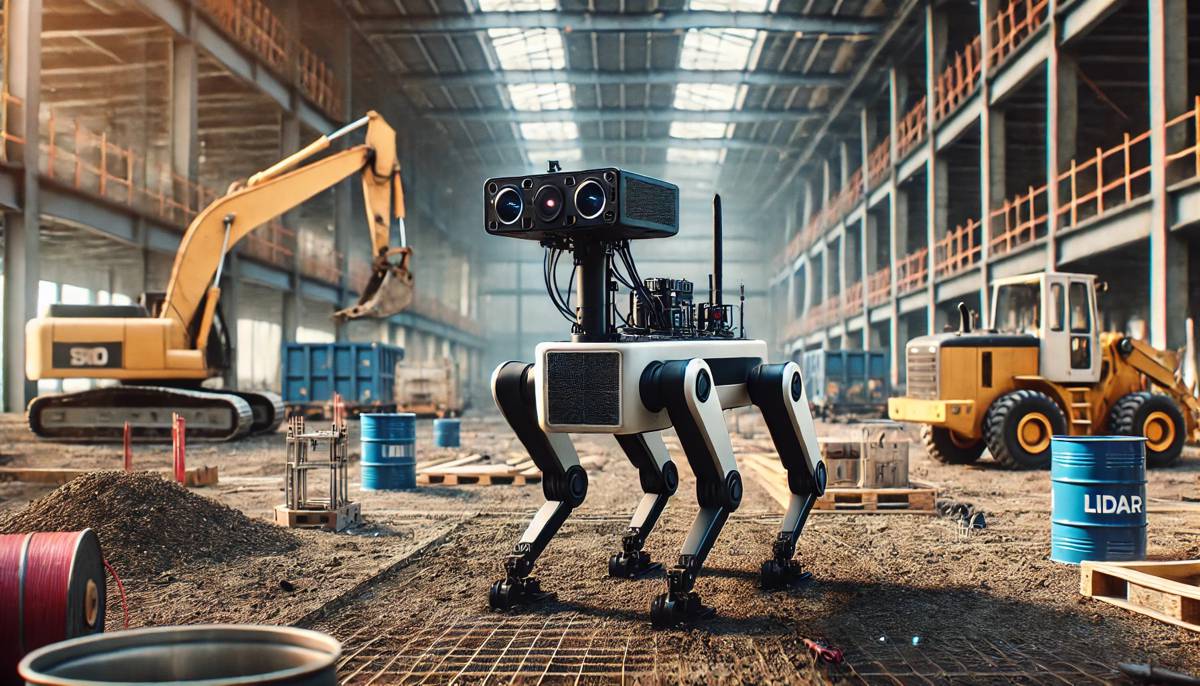
Automation in Construction
In the rapidly evolving landscape of construction, automation is revolutionizing traditional processes and reshaping the future of the industry. From automated bricklaying systems to 3D printing of building components, technology is enhancing efficiency universal testing machine utm, precision, and safety on construction sites.
One significant aspect of automation in construction is the use of drones for surveying and monitoring projects. Drones equipped with cameras and sensors can quickly capture aerial data, providing real-time insights into progress and potential issues. This not only saves time but also improves overall project management.
Moreover, the integration of Building Information Modeling (BIM) software allows for enhanced collaboration among stakeholders. BIM facilitates the creation of detailed 3D models that can be used for visualizing the entire project, identifying clashes, and optimizing construction sequences. By simulating different scenarios beforehand, potential errors can be minimized, leading to cost savings and improved project outcomes.
As automation continues to advance, construction companies that embrace these technologies will have a competitive edge in the industry.
Robotics Advancements
As you consider the future of construction labor, robotics advancements offer a pathway to enhanced efficiency in project completion.
The integration of artificial intelligence into robotics systems promises to revolutionize the way tasks are performed on construction sites.
Furthermore, these advancements in robotics also hold the key to improving safety measures, ensuring a secure working environment for all involved in the construction process.
Enhanced Construction Efficiency
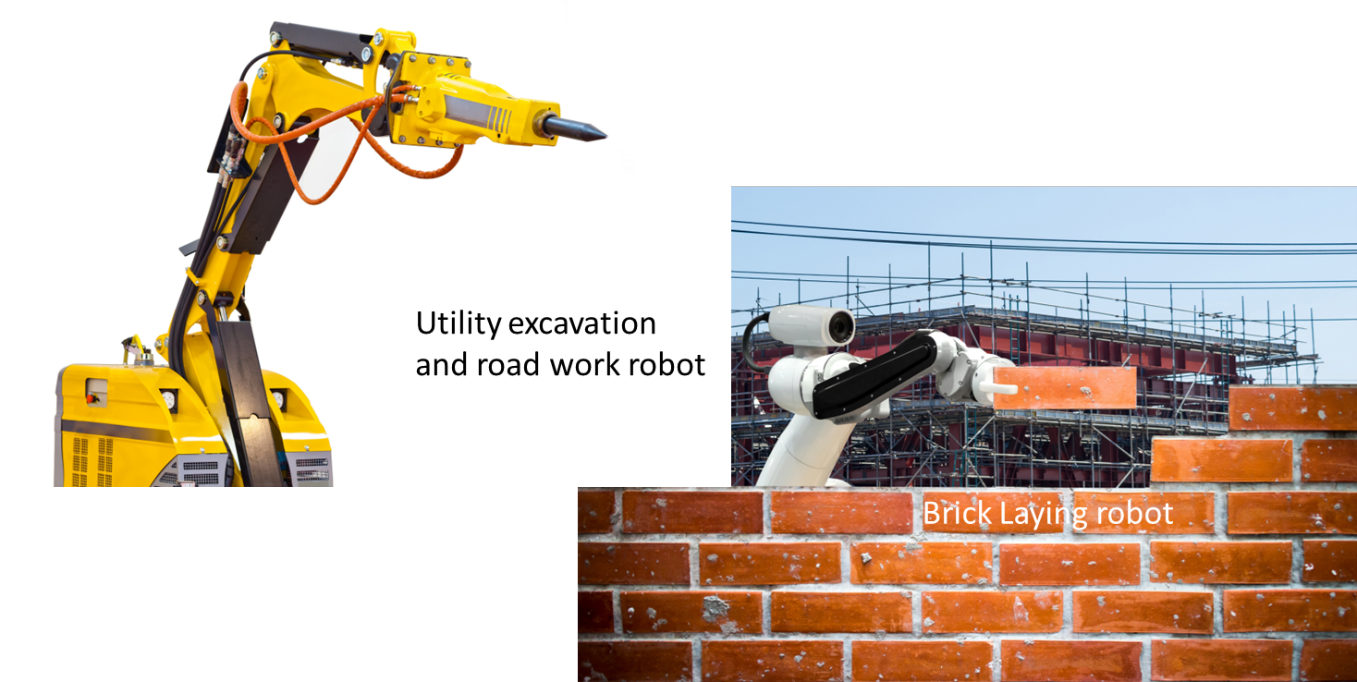
With the rapid advancements in robotics technology, construction efficiency is being greatly enhanced through the implementation of automated systems and smart machinery. Robots equipped with advanced sensors and AI capabilities are revolutionizing tasks like bricklaying, welding, and excavation, allowing for faster and more precise construction processes. These robots can work around the clock without fatigue, significantly reducing project timelines.
Additionally, the use of drones for surveying and monitoring construction sites provides real-time data, enhancing decision-making and improving overall project management. As these technologies continue to evolve, construction companies can expect increased productivity, cost savings, and improved safety measures on-site. Embracing these innovations is key to staying competitive in the construction industry of tomorrow.
Integration of AI
Embracing the integration of AI in construction robotics advancements is crucial for propelling the industry towards unprecedented levels of efficiency and innovation.
By incorporating artificial intelligence into construction robots, tasks such as site surveying, material transportation, and even bricklaying can be optimized with greater precision and speed.
AI-enabled robots can analyze vast amounts of data in real-time, making on-site decisions that enhance productivity and accuracy. Predictive maintenance algorithms can also be employed to reduce downtime and enhance overall operational effectiveness.
Furthermore, AI integration allows for the development of autonomous construction vehicles that can work collaboratively with human workers, increasing overall project efficiency.
This fusion of AI and robotics is reshaping the construction landscape, paving the way for smarter and more efficient building processes.
Safety in Automation
Ensuring the safety protocols of automation in robotics advancements is paramount for the construction industry’s progression towards enhanced efficiency and productivity.
With the integration of robots and automated systems on construction sites, risks can be minimized through advanced sensors that detect potential hazards in real-time. Collaborative robots, equipped with technologies like force-limiting sensors, ensure safe interaction with human workers.
Additionally, the development of intelligent algorithms allows robots to anticipate potential accidents and adjust their actions accordingly. Regular maintenance and software updates are crucial to guarantee optimal safety standards.
Impact on Human Workers
The integration of automation and robotics in construction is poised to significantly alter the roles and responsibilities of human workers in the industry. While some may fear job loss due to automation, the reality is that human workers will need to adapt and acquire new skills to complement these technological advancements. Tasks that are repetitive, dangerous, or physically strenuous will likely be taken over by robots and automated systems, freeing up human workers to focus on more complex and strategic aspects of construction projects.
Human workers will become crucial in overseeing and managing these automated systems, ensuring they work efficiently and effectively. This shift will require workers to upskill and reskill to operate and maintain the new technologies being integrated into construction processes. Additionally, human workers will play a key role in the design and programming of these technologies, bringing their expertise and creativity to enhance the overall efficiency and quality of construction projects.
Embracing automation and robotics can lead to a more skilled and specialized workforce, ultimately elevating the construction industry to new heights.
Efficiency and Productivity Boost
You need to consider how automation benefits the construction industry as a whole.
Robots are enhancing productivity by taking on repetitive and physically demanding tasks.
This boost in efficiency allows for quicker project completion and improved overall quality.
Automation Benefits Construction
With automation integrated into construction processes, a significant increase in efficiency and productivity is observed, transforming the industry towards a more streamlined and effective future. Automated machinery and tools can perform tasks with precision and speed, reducing the time required for completion. This streamlined approach minimizes errors and rework, leading to cost savings and faster project delivery.
By automating repetitive and labor-intensive tasks, workers can focus on more complex and strategic aspects of construction projects, enhancing overall quality. Real-time data collection and analysis through automation allow for better decision-making, optimizing resource utilization.
Embracing automation in construction not only boosts productivity but also improves safety by taking on hazardous tasks, creating a more efficient and secure work environment.
Robotics Enhance Productivity
As construction continues to embrace automation, the integration of robotics is poised to revolutionize productivity by enhancing efficiency and streamlining processes. Robotics in construction can perform tasks with precision and speed, reducing the time it takes to complete projects.
By utilizing robots for repetitive and labor-intensive jobs, construction companies can increase productivity levels significantly. These robots can work around the clock without breaks, leading to faster project completion timelines.
Additionally, robotics can enhance safety by handling hazardous tasks that would otherwise put human workers at risk. As technology continues to advance, the role of robotics in construction will become even more crucial in driving efficiency and productivity to new heights.
Training and Skill Development
Training and skill development in the construction industry are undergoing a transformation due to the integration of automation and robotics. As a construction worker, you must adapt to these changes by acquiring new competencies to remain competitive in the evolving labor market. Traditional skills like manual labor and basic construction knowledge are still valuable, but now, there’s a growing demand for workers who can operate and maintain robotic equipment, interpret data analytics, and collaborate effectively with technology.
To stay ahead, consider seeking out training programs that focus on automation, robotics, and digital tools. Upskilling in areas such as programming, digital modeling, and remote operation of machinery can significantly enhance your employability and open doors to new opportunities within the industry. Additionally, developing soft skills like problem-solving, communication, and adaptability will complement your technical abilities and make you a well-rounded construction professional in the age of automation. Embracing continuous learning and being proactive in acquiring new skills will be key to thriving in the future construction workforce.
Safety and Risk Management
Adapting to the integration of automation and robotics in construction, understanding safety protocols, and effective risk management strategies is paramount for ensuring the well-being of workers and the success of projects. With the advancement of technology in construction, safety measures need to evolve to address new risks associated with automated equipment and robotic systems. Implementing safety protocols that specifically cater to these technologies is crucial to prevent accidents and injuries. Regular risk assessments should be conducted to identify potential hazards and develop mitigation strategies accordingly. Training programs should focus not only on operating the technology but also on safety procedures to minimize risks.
Moreover, establishing a culture of safety within construction teams is vital to ensure that everyone is committed to following protocols and maintaining a safe working environment. Embracing innovations like wearable technology for real-time monitoring of workers’ health and safety can further enhance risk management practices. By proactively addressing safety concerns and integrating risk management into daily operations, construction projects can progress efficiently while safeguarding the well-being of workers.
Future Workforce Adaptation
To ensure the future adaptability of the construction workforce amidst increasing automation and robotics, a strategic focus on upskilling and reskilling is imperative. As technology continues to revolutionize the construction industry, workers need to be equipped with the necessary skills to operate alongside machines effectively.
Upskilling involves enhancing current skill sets to meet the demands of technological advancements, while reskilling involves learning new skills to transition into different roles within the evolving construction landscape.
Employers must invest in training programs that cater to both upskilling and reskilling initiatives. This includes providing opportunities for workers to learn how to operate and maintain new machinery, understand digital construction processes, and adapt to changing job requirements. Additionally, fostering a culture of continuous learning and innovation within the workforce is crucial for long-term success.
Conclusion
In conclusion, the future of construction labor is undeniably intertwined with automation and robotics. By embracing these technologies, construction companies can significantly enhance efficiency, productivity, and safety on-site.
Human workers will need to adapt and upskill to work alongside automated systems, ensuring a harmonious collaboration for optimal results. With ongoing training and development, the future workforce in construction can thrive in a rapidly evolving industry where innovation is key to success.
The future is bright for construction labor with the integration of automation and robotics.
