
Explore the journey of postpartum wellness and embrace the changes your body undergoes after childbirth. This article delves into the physical and emotional aspects of postpartum care, providing guidance on nourishment, exercise, mental health, and self-care practices 箭猪枣.
Empower yourself with knowledge and tools to navigate this transformative period with grace and resilience. Discover how to prioritize your well-being and nurture your body during this significant chapter of motherhood.
Body Changes After Childbirth
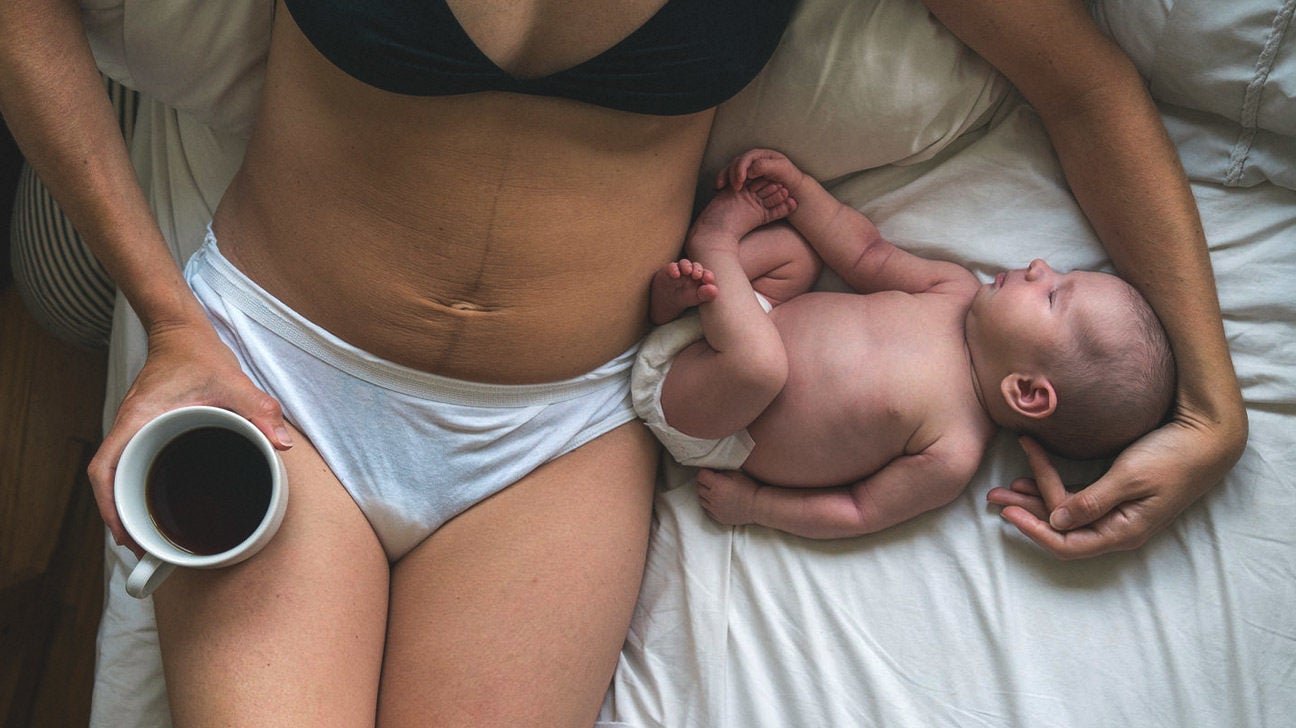
After childbirth, the body undergoes significant physiological changes that require time and care for recovery. These changes include the uterus shrinking back to its pre-pregnancy size, which can take around six weeks. Hormone levels fluctuate, affecting mood and energy levels.
Breastfeeding stimulates the release of oxytocin, aiding in uterine contractions and reducing postpartum bleeding. The abdominal muscles may weaken, leading to a temporary ‘mom pooch’ appearance. Pelvic floor muscles also weaken, potentially causing urinary incontinence.
It is crucial for individuals to listen to their bodies, rest when needed, and seek support from healthcare providers. Engaging in gentle exercises, such as pelvic tilts and Kegels, can help strengthen muscles and promote healing.
Nourishing Your Body
As the body undergoes postpartum changes, prioritizing nourishing foods is essential for supporting recovery and overall wellness. Opting for nutrient-dense foods like fruits, vegetables, lean proteins, whole grains, and healthy fats can help replenish essential vitamins and minerals that may have been depleted during childbirth.
Including foods rich in iron, such as leafy greens and lean meats, can aid in replenishing iron stores and combating postpartum fatigue. Omega-3 fatty acids found in fish, nuts, and seeds are beneficial for brain health and may help alleviate symptoms of postpartum depression.
Hydration is also key, so be sure to drink plenty of water to support milk production and overall well-being. Prioritizing nourishment can help new mothers feel energized and promote recovery during the postpartum period.
Physical Activity Recommendations
Engaging in gentle postpartum exercises is crucial for promoting physical recovery and enhancing overall well-being after childbirth.
It is recommended to start with low-impact activities such as walking, pelvic floor exercises, and gentle stretching. These exercises can help strengthen core muscles, improve posture, and increase energy levels.
Gradually incorporating more intense workouts like swimming, yoga, or postnatal fitness classes can aid in rebuilding strength and stamina. It’s important to listen to your body and progress at a pace that feels comfortable.
Remember to stay hydrated, wear supportive attire, and prioritize rest. Consult with a healthcare provider before starting any new exercise routine to ensure it aligns with your postpartum recovery needs.
Mental Health Support
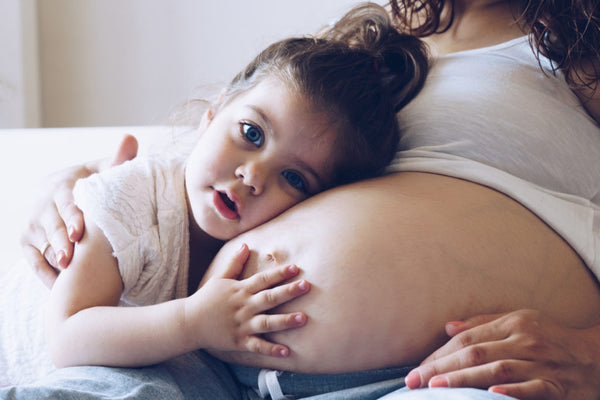
For optimal postpartum wellness, it is important to prioritize mental health support during the recovery period. The emotional challenges that can arise after childbirth are valid and shouldn’t be ignored.
New mothers may experience a range of feelings, from joy and excitement to anxiety and sadness. It is crucial to seek help if these emotions become overwhelming or persistent. Talking to a therapist, joining a support group, or confiding in a trusted friend or family member can make a significant difference in one’s mental well-being.
Self-care activities such as meditation, deep breathing exercises, or engaging in hobbies can also help improve mental health. Remember, taking care of your mental well-being is just as important as caring for your physical health during the postpartum period.
Self-Care Practices
How can new mothers implement effective self-care practices to promote postpartum wellness after childbirth?
Self-care is crucial for new mothers as they navigate the physical and emotional changes postpartum. Establishing a routine that includes rest, proper nutrition, hydration, and gentle exercise can aid in the recovery process.
Taking breaks when needed and seeking support from loved ones can alleviate feelings of overwhelm. Engaging in activities that bring joy and relaxation, such as reading a book, taking a bath, or practicing mindfulness, can help reduce stress levels.
It’s essential for new mothers to prioritize self-care, as nurturing themselves enables them to better care for their newborn. Remember, self-care is not selfish; it is necessary for overall well-being.
Conclusion
In conclusion, postpartum wellness is essential for mothers to navigate the physical and emotional changes that come after childbirth. By nourishing the body with healthy foods, engaging in recommended physical activity, seeking mental health support, and practicing self-care, women can promote their overall well-being during this transitional period.
It is important for mothers to prioritize their own health and self-care in order to effectively care for their newborn and adjust to the challenges of postpartum recovery.
…